Stewardship of Public Lands
This year-long program provides interdisciplinary experiential learning and professional development for faculty, staff, and administrators by exploring issues connected to public lands. Anchored by a field experience in Glacier National Park, participants return to campus ready to engage students in these questions, through coursework, experiential learning, and campus or community programming.
Apply by Dec. 1.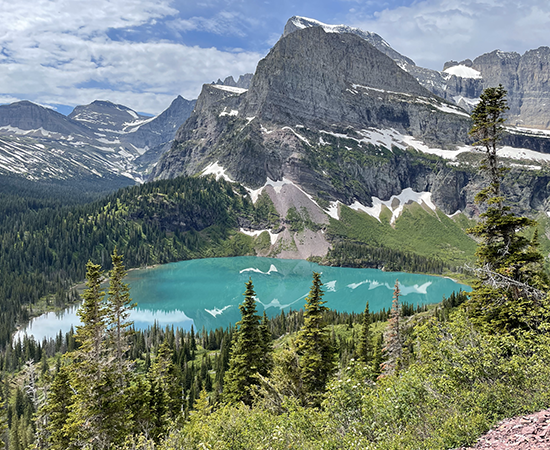
Explore issues of civic engagement and public lands.
Public lands sit at the center of some of the most important questions in American democracy today: who has access, whose voice counts, and how we steward what we hold in common. AASCU’s American Democracy Project created the Stewardship of Public Lands (SOPL) program in 2004 to give faculty, staff, and administrators a direct, place-based way into those questions. Although these questions look different from campus to campus and community to community, they all call for leaders who can convene people across differing values and find shared ground. Participants in SOPL build community within a cohort of peers across AASCU campuses, spend a week learning on the land in Glacier National Park, and return with the civic and environmental leadership skills to bring these questions into their teaching, research, and campus programming, and to invite students into the work of stewardship.
Who should participate?
Faculty, staff and administrators from AASCU institutions who:
- Want to explore how stewardship of shared resources connects to civic responsibility and the mission of public universities
- Are committed to bringing students into conversations about public lands, sustainability, and democracy in the classroom and beyond
How you’ll benefit.
- Design curricular and co-curricular experiences that help students see themselves as stewards of place
- Plan for experiential student trips to national, state, or local public lands
- Share resources and teaching strategies that help navigate tensions within and about public lands
- Explore regional collaborations with cohort members
- Develop strategies for integrating sustainability into campus and community
The Glacier National Park 2027 Program
How does a democracy manage competing but often equally legitimate positions over public resources?
How are the rights of all citizens represented in conflicts over public lands?
The answers to these questions are not straightforward, as public lands reflect deeply held values about access, voice, and conservation that reveal the challenges and opportunities of democratic governance.
Participants will engage in interdisciplinary, experiential learning in Glacier National Park and will create a community of practitioners and collaborators. The learning doesn’t stay in Montana. Each participant will propose an applied project that they will take back to their campuses to actively engage students in issues related to public lands or sustainability, through experiential learning, research, classroom learning, or civic engagement initiatives. They return to their campuses with a community of peers and a plan for putting ideas into practice. Additionally, they will receive guidance on how their work with SOPL can contribute to their institution’s sustainability goals, including their rating in the Association for the Advancement of Sustainability in Higher Education’s Sustainability Tracking, Assessment & Rating System (AASHE STARS).
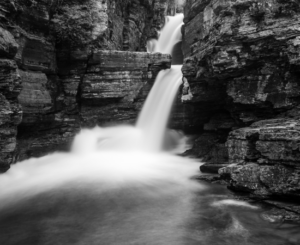

- February−May 2027: Build the community. The cohort engagement begins virtually, building community and deepening knowledge of stewardship efforts and strategies, and beginning to shape ideas for engaging students.
- June 21-25, 2027: Learn in the field. The group will meet in Glacier National Park for a five-day/four-night field experience where we will study how rangers, Indigenous communities, scientists, and community members are engaging in productive and inclusive public land management and education.
- July−December 2027: Bring it back to campus. Participants put lessons into practice with students and colleagues, complete their campus project, and continue to meet virtually to share progress and learn from one another.
- Dates: Monday, June 21, 2027 through Friday, June 25, 2027 (optional early arrival June 20 for a small additional fee, paid to Glacier Institute)
- Cost: $1950 per person. This includes all lodging, meals, and transportation between Glacier Park International Airport (Kalispell, MT) and Glacier National Park and within the park.
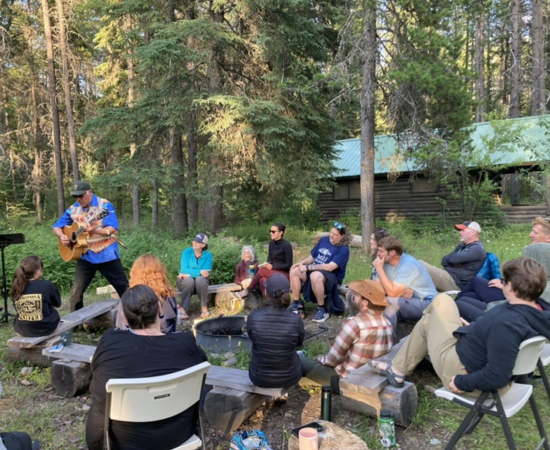
- Lodging: The Glacier Institute’s Field Camp is located inside Glacier National Park’s West Entrance. Field Camp consists of five rustic cabins with twin size beds that can house up to five guests each, however we limit the cohort to no more than 4 people per cabin. There is a separate community bathhouse that has private bathrooms with hot showers. There is also a community house with a fridge to store personal snacks and a fire pit for sharing stories.
- Alternative Lodging: If a shared cabin does not meet your needs, you may arrange alternate lodging at your own expense, and you will be responsible for getting to and from Field Camp each day. If you pursue this option, the full program fee still applies.
- Meals: All meals and snacks will be provided during the stay at Field Camp, and dietary modifications will be honored.
- Transportation: Participants are responsible for their own transportation to/from the Glacier Park International Airport (Kalispell, MT). The Glacier Institute will provide scheduled shuttle trips to and from the airport and their Field Camp during business hours. In-park transportation will be provided during the seminar. If you choose to drive to Glacier, we will arrange parking by the Glacier Field Camp.
Participants are required to join the full in-person field experience in Glacier National Park (June 21-25, 2027), virtual meetings before and after the trip, and implement a campus project. The application is where participants begin outlining their proposed campus project and confirming their commitment to the program.
Applications are open to all faculty, staff, and administrators from AASCU campuses and are due December 1, 2026. Applicants will be notified by December 11, 2026. A spot in the program is confirmed only after payment is received. Participation is capped at 18 participants. Apply early to ensure your place in this transformative experience.
AASCU will fully refund your payment if you provide a written refund request by January 15, 2027. After that date, refunds will not be issued.
Impact
130+
institutions integrated information about public lands or public resources onto their campuses.
300+
participants developed resources to share their work with students.
20+
years of participants creating their own unique programs to explore national parks with undergraduates.
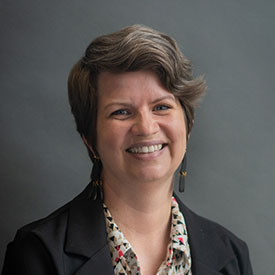
“Overall, I have taken away from the Stewardship of Public Lands cohort two key lessons: (1) the importance of humility about our place within the historical and cultural context of a place as well as within the natural world, and (2) the ability to embrace the complexity of the places and spaces in which we do community engagement, and to tread with care, curiosity, respect, and solidarity within these spaces.”
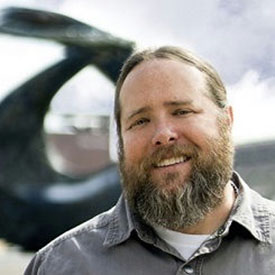
“As a scholar of Native American and western water history, the AASCU Stewardship of Public Lands Project at Glacier offered a significant opportunity for me to grow in my practice and inquiry. The program helped reinforce and grow my notions that there is a chasm between the Western American view of nature and an indigenous perspective, which holds humans as deeply embedded in the natural order of park lands.”
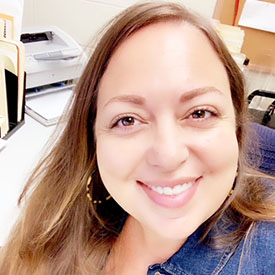
“Attending the Stewardship of Public Lands conference at Glacier National Park was a deeply meaningful experience. It broadened my understanding of the complexities of land stewardship and reinforced my belief that we must look to Indigenous knowledge and practices to truly care for the land. As a Kia’i (guardian, caretaker, or protector) of the land in Hawaiʻi, I am more committed than ever to integrating these perspectives into our efforts, and I leave this experience with a renewed sense of purpose in my role as a protector of our natural world.”
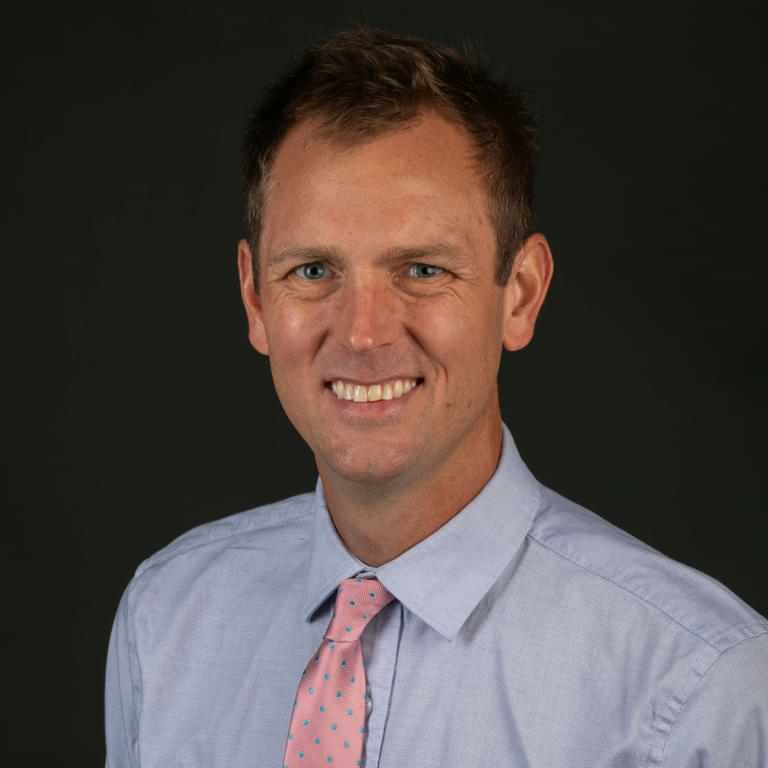
“Experiencing this firsthand was a game changer for me because it illustrated so powerfully how intertwined all these natural systems are—and how intertwined and interconnected we all are, too.”
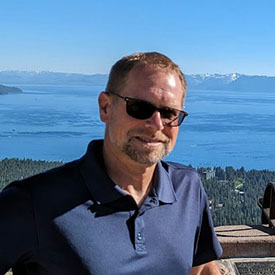
“The SOPL workshop was critical in my understanding of considering competing goals, priorities, and methods. It also made me more acutely aware of cultural and economic realities of mixed use properties and facilities, where consensus building must happen BEFORE development can occur.”
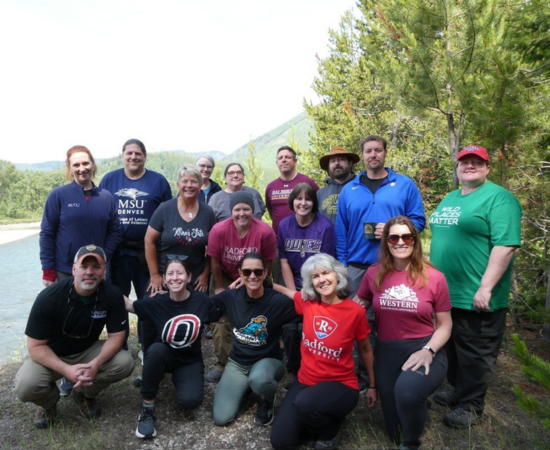
2026 cohort
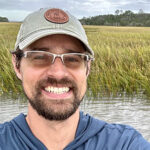
Mercer R.
Brugler
Professor of Marine Biology and Chair of the Department of Natural Sciences
University of South Carolina Beaufort

Larry
Cebula
Professor of Education
Eastern Washington University

Cush
Cuthbertson-Sewer
Student Engagement Professional
Indiana University South Bend

Karley A.
Goen
Associate Professor
Tarleton State University (TX)

Christopher
Jennings
Professor/Department Chair
Metropolitan State University of Denver
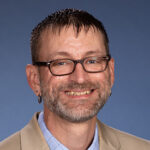
Joshua D.
Koenig
Associate Professor of History; Chair, Environmental and Sustainability Studies Program
Worcester State University

Steven
Koether
Assistant Professor in the Department of Biological Sciences; Director of the Sam Houston State University American Democracy Project
Sam Houston State University (TX)

Leah
Levert
Assistant Director for Civic and Community Engagement
Coastal Carolina University (SC)
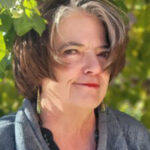
Andrea
Maestrejuan
Professor of History
Metropolitan State University of Denver

Jeff
Menzise
Associate Professor, Institute for Urban Research
Morgan State University (MD)

Jennifer
Mokos
Associate Professor
Coastal Carolina University (SC)

Mia
Pino
Outreach and Sustainability Specialist
Metropolitan State University of Denver

Heather
Polonsky
Associate Director for the Office of Social Impact
Towson University (MD)

Glenn
Robinson
Research Scientist and Adjunct Professor
Morgan State University (MD)

Allene
Shapiro
Coordinator for Community Engagement
Ramapo College of New Jersey

Julia
Smith
Professor and Chair, History, Anthropology, and Modern Languages and Literatures
Eastern Washington University

Justin
Yeh
Resource Management Manager
University of Hawai’i at Hilo
Program resources
The 2024 SOPL compendium highlights how this cohort’s work is being implemented on AASCU’s ADP campuses through course plans, syllabi, engagement plans, research, and reflections.
See how the 2024 cohort's work is being implemented.Released in 2010, this monograph details the work of the AASCU institutions as they explore the various issues surrounding the controversies over public lands.
Read the full report.A faculty member’s story of how she implemented lessons learned from the initiative.
Read more.Member Spotlight
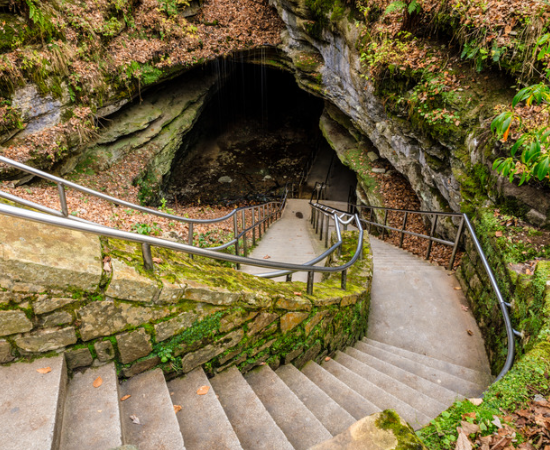
Mammoth to Mammoth documentary
Three faculty members at Western Kentucky University created this film while they participated in the American Democracy Project’s Stewardship of Public Lands Seminar, a one-week professional development course in Yellowstone National Park. As they studied the history, science and politics of some of the major controversies in the Yellowstone ecosystem (snowmobiling, grizzly bears, and bison), they developed a team-taught course to deploy at their local national park, Mammoth Cave.
Watch video.Questions about the Stewardship of Public Lands? Let us know.
"*" indicates required fields
