AASCU’s International Education Week
AASCU’s International Education Week is a collaborative initiative between AASCU, its members and partners, in an effort to highlight and promote programs that prepare students for a global environment.
Share your story.
Highlight your institutions’ programs and initiatives by participating in AASCU’s International Education Week.
During International Education Week each year, join our virtual programming, as we focus on highlighting initiatives and partners assisting AASCU institutions in developing innovative programs and sustainable partnerships that build institutional capacity in the areas of student success, global diplomacy, and comprehensive internationalization. The week’s activities feature faculty, staff and students from AASCU institutions whose campuses are doing innovative and exemplary work in these areas.
Who should participate?
- Leadership, faculty, and staff eager to inspire, and be inspired by, their global peers.
How will you benefit?
- Timely Updates: International Education Week provides participants with the latest information and insights on contemporary issues and trends in international education, ensuring they stay informed and connected to the ever-evolving landscape.
- Global Dialogue: The events allows for meaningful dialogue and discussions with colleagues from both domestic and international backgrounds who share similar interests and concerns in the field of international education. This exchange of ideas can lead to valuable collaborations and partnerships.
- Resources: Benefit from access to a wide range of resources specifically designed to enhance international education efforts on individual campuses. These resources may include strategies, case studies, and practical tips to improve program development, student support, and institutional engagement.
- Best Practices Toolkits: Participants are provided with ready-to-use toolkits that contain best practices and proven approaches for real-time application in their own educational settings. These toolkits serve as practical guides to optimize international education programs and maximize their impact.
- Showcase Success: International Education Week provides a platform to showcase successful programs and initiatives implemented on individual campuses. Participants have the opportunity to share their achievements and best practices, gaining recognition and inspiring others to replicate or adapt these successful models.
- Collaboration and Partnership: The event facilitates collaboration and networking with colleagues across the membership of AASCU. Participants can connect with peers from different institutions, foster new partnerships, and explore opportunities for joint initiatives, research projects, or knowledge exchange.
Learn from the best practices shared during
International Education Week.
Nov. 20, 2025
1:00PM-2:00PM ET
Webinar
More information.Nov. 19-21, 2024
Three days of virtual events
Webinar
More information.Nov. 13-17, 2023
A week of virtual events
Webinar
More information.Interested in participating in International Education Week? Let us know.
"*" indicates required fields
Civic Learning and Democratic Engagement Meetings
Contact us.Over the past 11 years, AASCU and NASPA have partnered to host the annual Civic Learning and Democratic Engagement meeting, which brought together faculty, student affairs administrators, students, senior campus leaders, and community partners to advance institutions’ commitment to advancing democracy.
This standout event convened a diverse range of stakeholders to ensure that students who graduate from colleges and universities, both public and private, are prepared to be the informed, engaged citizens our communities and democracies need.
We are tremendously proud of the impact CLDE has made in this critical area. However, the 2024 conference was the final conference under the AASCU/NASPA partnership. In 2025, AASCU will be hosting the American Democracy Project Summit to continue this work.
Both AASCU and NASPA remain deeply committed to supporting civic learning and democratic engagement across the country and with professionals across campuses.
Although the meeting will not continue in its current form, AASCU and NASPA look forward to exploring other meaningful avenues to partner and collaborate to ensure that professionals committed to civic engagement work at their institutions can share best practices and learn from one another in new and innovative ways.
Both AASCU and NASPA value our shared history of work together in this space and look forward to collaborating in the future to ensure that higher education meets its obligation to prepare students who value and engage in the health of our democracy.


2014
Louisville, KY
June 5-7
2013
Denver, CO
June 2-4
2012
San Antonio, TX
June 7-9
2011
Orlando, FL
June 2-4
Want to know more about CLDE? Let us know.
"*" indicates required fields
Sino-US CHEPD 1+2+1 Program
The Sino-US CHEPD program is designed for undergraduate and graduate Chinese students to study at participating AASCU member institutions. The program is jointly administered by AASCU and the China Center for International Educational Exchanges (CCIEE). Students who complete the program receive two separate degrees from a US institution and their Chinese home institution.
Participate.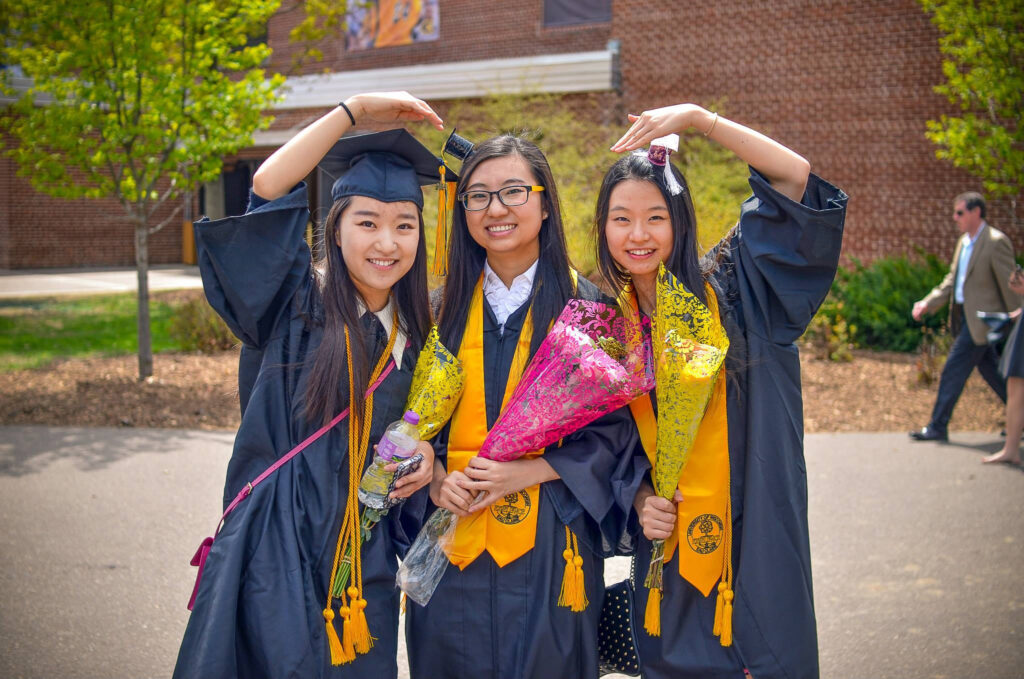
Sino-US 1+2+1 CHEPD program is the largest student mobility program between the US and China.
Under the platform of Sino-US Cooperation in Higher Education and Professional Development (CHEPD), with joint administration of the China Education Association for International Exchange (CEAIE) and the China Center for International Educational Exchange (CCIEE) in China, AASCU is proud to offer the Sino-American CHEPD 1+2+1 Program.
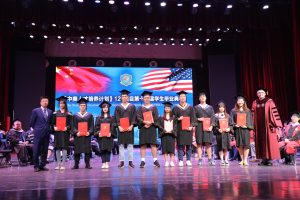
Since 2001, this program has provided the opportunity for Chinese students to spend up to two years at an AASCU institution to pursue undergraduate and graduate studies. Participants then receive two separate degrees from their Chinese home institution and their U.S. host institution.
The CHEPD 1+2+1 Program has become the largest and most successful program of its kind. Recognized by the Chinese Ministry of Education as a Program of Excellence, it is one of most important platforms for cooperation between Chinese and American universities.
Criteria to join.
- AASCU member
- Eligibility to grant J visas
- Institutions MUST offer ESL or bridge programs
- Identified designated campus coordinator
- Ability to host Chinese visiting scholars
How will you benefit?
- Opportunity to partner with an extensive range of Chinese institutions
- Support and network for developing robust academic exchange programs
- Teaching and research opportunities for faculty members
- Scholarship resources for US students
- Additional program development opportunities
impact
20+ years
Our program has built sustainable partnerships for over two decades.
182
Number of participating institutions – 38 AASCU members, 144 from Chinese partners.
6500
Number of students that have participated.
$400 M USD
U.S. campuses have received approximately $400 million in tuition, fees, room and board.
Program Structures and Types
Chinese students who pass the national entrance examination will complete their initial year of study in China. They will study in the US during their 2nd and 3rd years, then return to their Chinese home institution for the final year. After completing all the degree requirements, the student will receive two degrees from both US and Chinese institutions.
First-year graduate students are selected from Chinese universities to spend two or three academic semesters studying in an AASCU member university. They return to their Chinese universities for the final academic year. Qualified students will be granted diplomas and masters’ degrees from both Chinese and U.S. universities.
Students follow the regular 1+2+1 Program, i.e., the International Cohort Program students complete their freshmen year in Chinese university. In the second and third years of the program, students come to the United States to complete their sophomore and junior years at the US partner university. Students return to China to finish their senior year at Chinese university and graduate with two separate bachelor’s degrees from Chinese and American universities. All students participating in this program have already had their four-year curriculum mapped out, through articulation agreements between the two partner institutions.
Learn more about ICP.Students who are not interested in pursuing a degree in the United States, but are seeking study abroad experiences, can apply for the Youth Exchange Student program for one academic semester or one year through US partner institutions. YES students are allowed to transition to 1+2+1 Program degree-seeking status once they are on the US campuses.
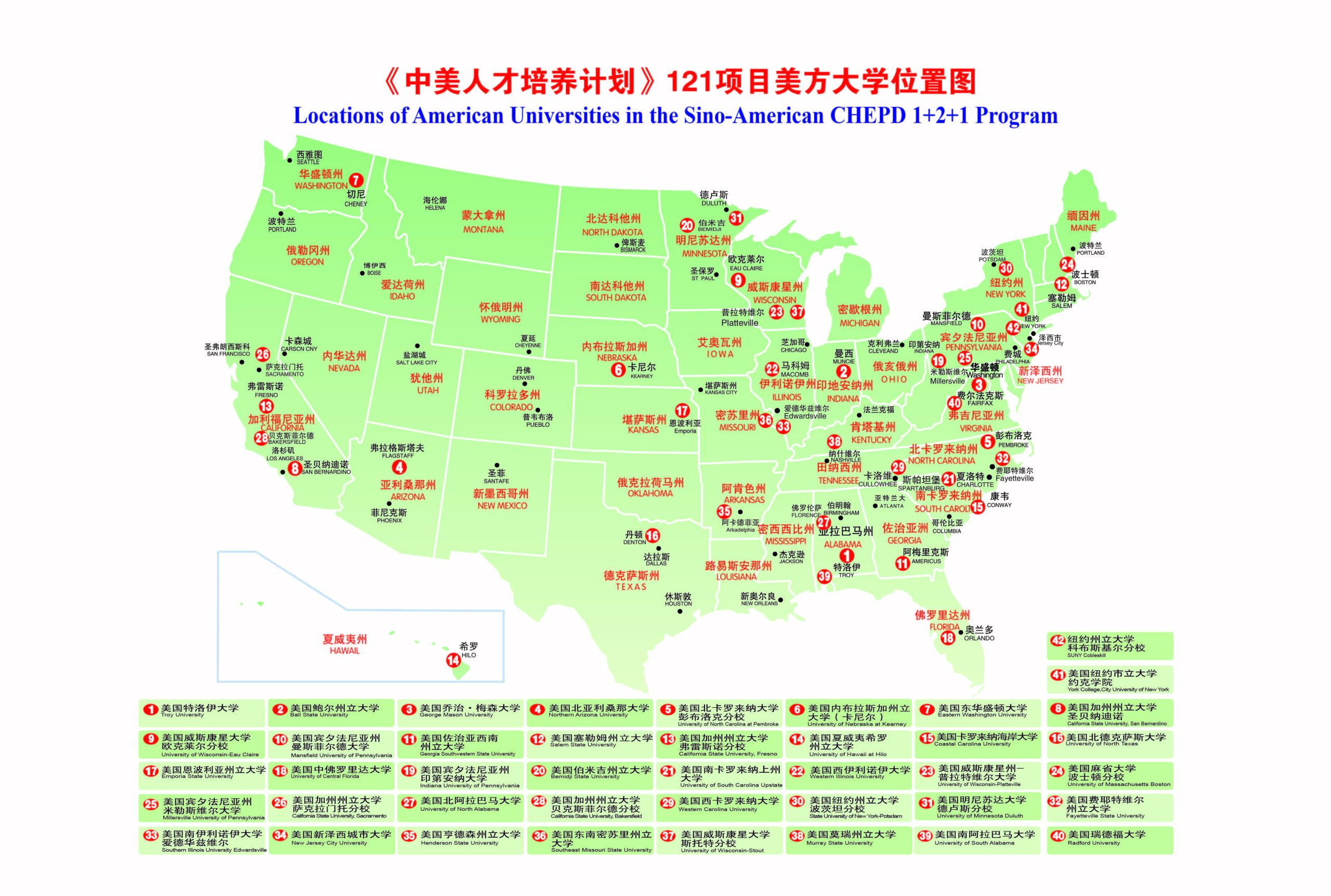
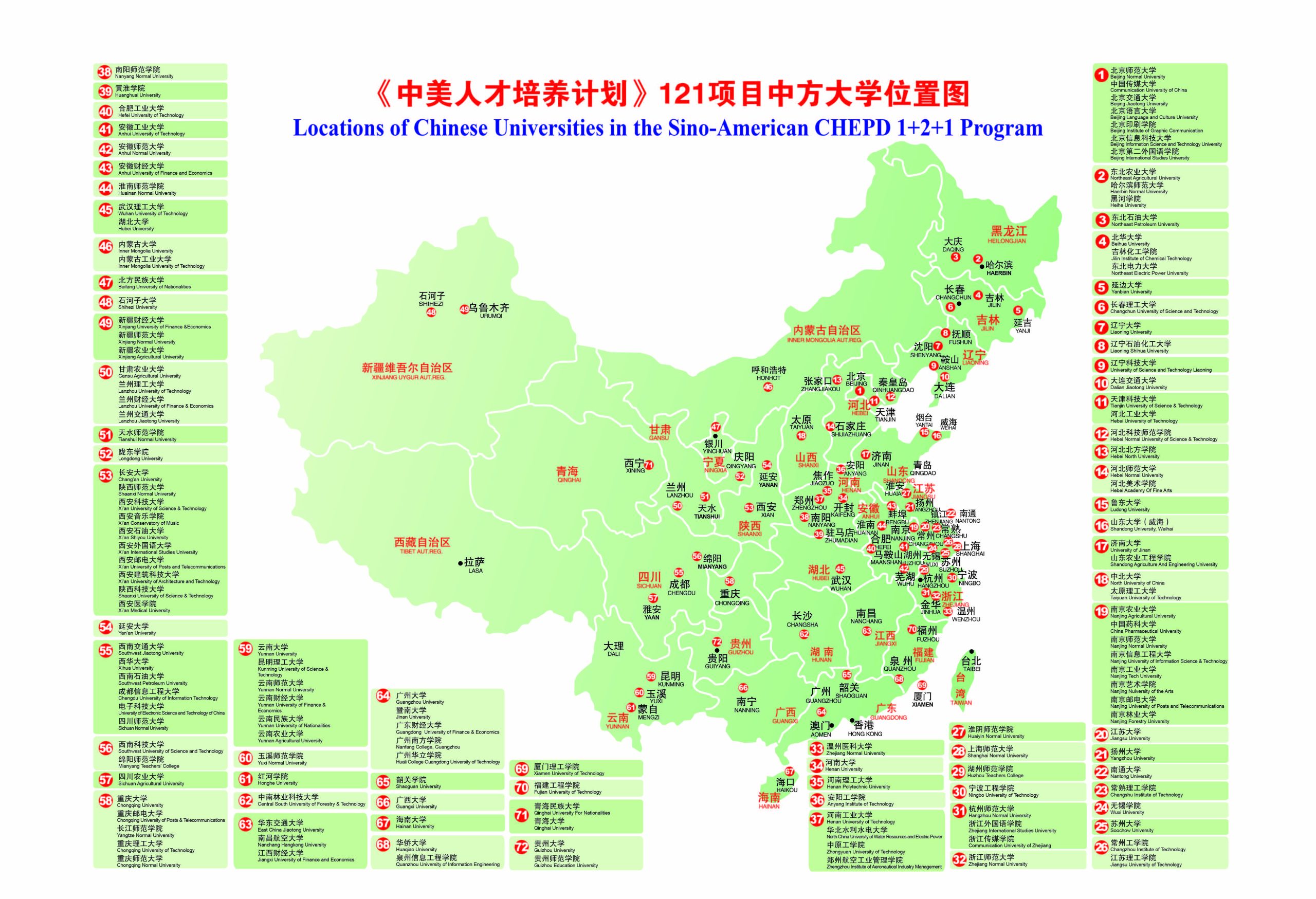
CHEPD 1+2+1 Program Participating Institutions
Testimonials
Studying abroad at NAU has helped me exercise my independent thinking and problem-solving abilities. The ability to expand my horizons and experiences will be very beneficial to my future work and life.

During my time at Troy University I gained a lot. I experienced humanistic care; gained professional knowledge; and learned how to face difficulties independently.
Our Partners
The China Center for International Education Exchange (CCIEE) is an independent legal entity established by China Educational Association for International Exchange (CEAIE), affiliated with the Ministry of education of China. Over the past thirty years, CCIEE has extensively conducted short- and long-term programs such as student exchange, study in China, teaching training, self-funded overseas-study. Aiming at promoting education exchange and cooperation between China and other countries, CCIEE insists on bringing in high-quality foreign educational resources, and facilitating China’s education to be internationalized and worldwide recognized.
Founded in 1981, the China Education Association for International Exchange (CEAIE) is China’s nationwide not-for-profit organization that conducts programs and activities that facilitate international educational exchanges and cooperation. CEAIE is fully committed to promoting the advancement of education, culture, science and technology; and strengthening understanding and friendship among the peoples of all countries and regions of the world.
Interested in participating in the
Sino-American CHEPD 1+2+1 program?
"*" indicates required fields
Questions about this program? Let us know.
"*" indicates required fields
American Short-Term Study in China Initiative
ASSCI provides funding and support through AASCU and the Embassy of China to facilitate partnership building through institutional based faculty-led study abroad programs in China.
Apply by Oct. 31.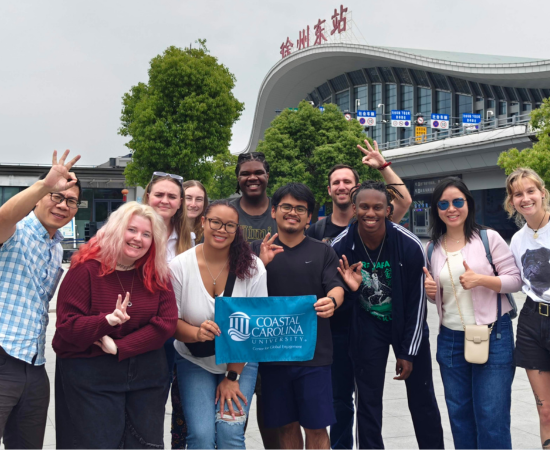
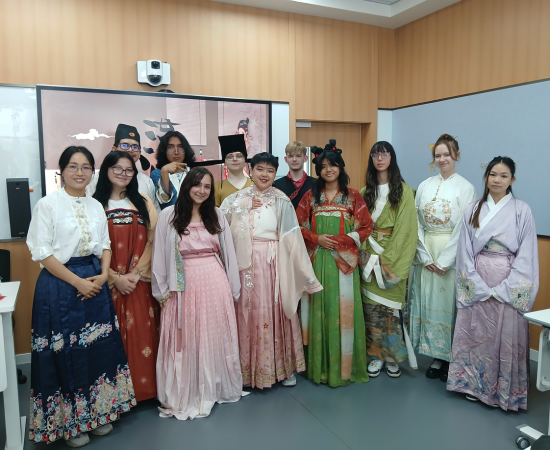
 ASSCI supports faculty-led study abroad programs.
The American Short-Term Study in China Initiative (ASSCI) is a scholarship program offered by the Embassy of the People’s Republic of China in the United States of America and administered by the American Association of State Colleges and Universities. The scholarship will support students enrolled in institutional-based, faculty-led study abroad programs in China. Faculty members with existing China study abroad programs, faculty interested to adding a study abroad component to a pre-existing course, or faculty interested in developing a program for studying abroad in China, are encouraged to submit a funding proposal.
Who should participate?
- Faculty from accredited U.S. institutions
- Faculty from all disciplines interested in adding a study abroad component to their course /curriculum
- Faculty members with existing study abroad programs with Chinese institutions
- Faculty members interested in creating study abroad programs, but require assistance to identify matching partners
How will you benefit?
- Scholarship support for students’ expenses in China
- Support for identifying Chinese university partners and developing robust academic exchange programs
- Opportunity to partner with an extensive range of Chinese institutions
- Opportunities for U.S. faculty to teach abroad
Applying to ASSCI.
Proposals should be submitted by faculty on U.S. campuses, with support from the provost, along with accompanying approval and signatures from the individual responsible for study abroad programs on each campus.
The ASSCI program focuses on joint efforts between U.S. and Chinese partner institutions. Chinese partners must be Double First-Class universities. AASCU can assist with identifying Chinese institutional partners. Applicants requiring assistance with identifying a partner to apply for the scholarship should indicate this when completing the application form.
Proposals will be accepted through October 31. Submitted proposals will be reviewed and rated by the selection committee organized by AASCU and recommended to the Chinese Embassy for approval. Applicants will be notified by December 15.
- Program fee, AASCU member: Fee waived
- Program fee, non-AASCU member: $1000
Approved program will be funded to cover the following items at a rate* of RMB 2500 per student per month:
- Tuition at the Chinese institution
- On-campus accommodation
- Health insurance during program stay in China
*If the program is designed to be less than one month in duration, the fund will be reduced in proportion to the number of program days.
The funded program does NOT cover:
- Faculty-related expenses
- Tuition at the US institution
- Airfare and other travel expenses to China
- China visa application fees
Applicant must be a:
- Faculty in any discipline who teaches a course that requires students to study abroad in China
- Faculty who are interested in developing a course for students to study abroad in China
The proposal must meet the following requirements:
- Co-designed and co-taught with a Chinese partner institution, with at least 50 percent of the content delivered by the Chinese partner on-site in China
- Offers academic credits for all the students
- Has a duration of no less than two weeks and no longer than three months in China
- Starts no earlier than May 15 and no later than September 1, 2026
- Minimum enrollment of 6 students
- Maximum enrollment of 30 students
- Each partnership needs to submit a proposal which meets the requirement above, i.e. if you are working with more than one Chinese partner institution, a separate proposal for each partnership needs to be submitted respectively.
The selection committee will use several criteria when reviewing applications:
- The proposed program will be measured for clarity of learning goals and the extent to which the program’s activities contribute to those goals.
- The proposed program includes faculty leadership at the US institution.
- The proposed program uses the resources of the Chinese partner, such as academic strengths, location in China, and connections outside the institution.
- The proposed program involves students from the Chinese partner institution.
Complete and submit the Proposal Form, Nomination Form, and Institutional Approval Form before October 31, 2025.
- Submitted proposals will be reviewed by a Selection Committee comprising Chinese embassy staff, AASCU staff, and non-applicant faculty who have led past faculty-led programs in China. The Chinese Embassy will finalize the approval and send notice to AASCU.
- Applicants will be notified by December 15, 2025.
- Once an American institution has received notification of its successful application, the applicant will need to work together with the Chinese partner on student visa and logistics required by both institutions.
- Faculty-led group study abroad in China will take place from May to September 2026.
Instructions for students who are admitted in a study abroad in China program on your campus and the teaching faculty will work with you to fill out the ASSCI scholarship application.
ASSCI application instructions. Student Visa Application and Process Instructions. China Visa Application Information.Visit the China Scholarship Council website for more information about the scholorship.
China Scholarship Council.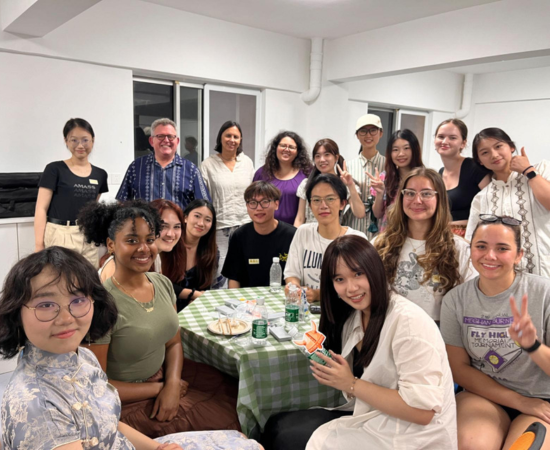
Proposals and nominations are due on October 31, 2025.
If you have questions, please contact Sufei Li.
Frequently asked questions
The approved program in China will be funded for tuition cost, room and board (at a rate of 2500RMB per student) and health insurance (400RMB-800RMB). The total payment will depend on the length of the program.
You will need to work with both your home institution and your Chinese institutional partner to build a budget for your program. We suggest that you complete this as early as possible. If you already have a Chinese partner in mind, you should work with your partner to prepare a budget before submitting it to AASCU. If your program includes extra activities like field trips or tourism, please discuss on how to best cover the additional expenses with your partner.
Yes, as long as your Chinese partner agrees to host your students at that time. However, please be aware that the funding is approved annually, so the earliest time to receive funds is likely to be summer 2026.
Yes. You will need to state that you have no partner and you’re requesting assistance in the proposal form. AASCU will work with the Chinese embassy to find a matching partner for the program. Once you accept our recommendation and work out the articulation plan with the recommended partner, we will continue to work on your application for funding.
Once your proposal is approved, all students registered for the course are qualified to apply. However, the student applicant must be a full-time student who is not a Chinese citizen.
Yes. You need to apply for the program every year. If nothing has changed in your approved program, you can renew it by emailing Lis@aascu.org with your name, institution, program title, and number of students. If there are any changes, like new faculty, course updates, or different teaching methods, you must submit a new proposal. Students also need to apply for the CSC scholarship online each year to receive funding.
Only eligible students can apply for the scholarship. The leading faculty member is responsible for all of their personal expenses, including international travel, room, and board in China. It is possible that your partner university will be able to cover room and board. However, these costs are not considered part of the scholarship program.
There are no limits and restrictions for institutions, but language training programs will not be prioritized. We welcome faculty members in any major as long as the proposal reflects the goals, and the teaching curriculum involves joint activities of the program that contribute to those goals. Multiple faculty members from one institution could submit individual proposals for separate funding as long as they have partners in China.
Yes. One institute should be the leading institute and sign with the Chinese partner.
Yes. But we will need both forms ready when you start to recruit students.
Have questions about the American Short-Term Study in China Initiative? Let us know.
"*" indicates required fields
Civic Engagement Awards
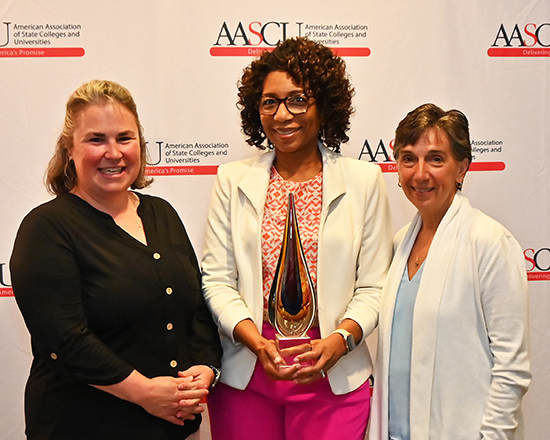
AASCU’s American Democracy Project recognizes individual leadership at the provost, faculty, and staff levels in civic engagement on AASCU member campuses.
Questions?It is our honor to shine a light on the great work being done on AASCU ADP campuses.
Our work to equip students with the knowledge, skills, and experiences to be informed and engaged, ready to tackle current and future issues to ensure a thriving democracy is more important than ever. The American Democracy Project recognizes leadership in civic engagement on AASCU member campuses through four individual awards and one institutional award.
Please note that the American Democracy Awards are paused for the 2026 cycle.
Honoring Individuals
William M. Plater Award
in recognition of exemplary leadership by a chief academic officer.
Learn more.Honoring Institutions
We the People Award
One of AASCU’s Excellence & Innovation Awards, given to recognize institutional team commitment to meaningful and deep civic engagement work.
Please note that the We the People Award is on hiatus in 2025.
Learn more.Awards News
The Barbara Burch Award for Faculty Leadership in Civic Engagement
Given in recognition of exemplary faculty leadership in advancing the civic learning and engagement of undergraduate students.
2025 Award Winner

Leah Murray
Director, the Olene S. Walker Institute of Politics & Public Service and Brady Presidential Distinguished Professor of Political Science
Weber State University (UT)
- Nominees must be a faculty member (tenure track or contingent) with more than five years of teaching experience on an AASCU campus who demonstrates leadership in advancing the civic learning and engagement of undergraduate students.
- Nominations must include an endorsement from campus leadership, the nominee’s curriculum vita, and additional documents that provide examples of the nominee’s sustained leadership in advancing civic learning and ensuring students have equal opportunities for success.
- Presentation at the American Democracy Project Summit in July.
- Recipients will receive a commemorative to acknowledge the national recognition.
- 2025: Leah Murray, Weber State University (UT)
- 2024: Allison Rank, State University of New York at Oswego
- 2023: Mary Evins, Middle Tennessee State University (MTSU)
- 2022: Sandy Pope, Salisbury University (MD)
- 2021: Judithanne Scourfield McLauchlan, University of South Florida, St. Petersburg
- 2019: Elizabeth Bennion, Indiana University South Bend
- 2018: Lance Lippert, Illinois State University
- 2017: Shala A. Mills, Chair and Professor of Political Science, Fort Hays State University (KS)
- 2016: Elizabeth Bennion, Professor of Political Science and ADP Campus Director, Indiana University South Bend
- 2016: Molly Kerby, Associate Professor of Diversity and Community Studies, Western Kentucky University
- 2015: Patrick Dolenc, Professor of Economics, Keene State University (NH)
- 2014: Gregg Kaufman, Instructor and ADP Campus Coordinator, Georgia College
About the award
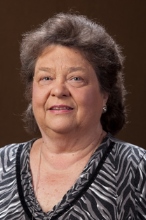
This award was established in 2014 to honor Barbara Burch, Provost Emerita at Western Kentucky University.
During her time as provost, Barbara Burch strongly supported faculty in the development of civic programming at Western Kentucky University. She actively sought out talented faculty members to offer positions of leadership and program development. She provided substantial financial support for professional development. She offered the prestige of her office and her own personal commitment to support faculty interested in civic work. Her efforts resulted in the development of a strong cadre of faculty at Western Kentucky University who are deeply committed to civic engagement and civic outcomes. As a result of her support for faculty, Western Kentucky University was seen as one of the leading universities in the country in civic engagement.
The William M. Plater Award for Leadership in Civic Engagement
Given in recognition of exemplary leadership of an AASCU chief academic officer in advancing the civic learning of undergraduates.
2025 Award Winner
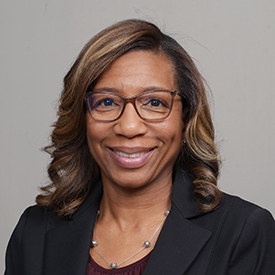
Dimetri Horner
Provost and Vice President of Academic Affairs
Harris-Stowe State University (MO)
- Nominees must be a chief academic officer or provost at an AASCU member campus
- Nominations should demonstrate how the individual has advanced democratic engagement and influenced the civic learning of undergraduates through programs and activities that encourage greater knowledge, skills, experiences, and reflection about the role of citizens in a democracy.
- Nominations must include an endorsement from the nominee’s president/chancellor, the nominee’s curriculum vita, and additional documents that provide examples of the nominee’s sustained leadership in advancing civic learning and ensuring students have equal opportunities for success.
- Presentation at the American Democracy Project Summit in July. At the awardee’s discretion, the award can also be presented at a suitable occasion on the recipient’s campus, ordinarily in the fall semester following selection.
- Recipients will receive a commemorative to acknowledge the national recognition
- 2025: Dimetri Horner, Harris-Stowe State University (MO)
- 2023: Peg Gray-Vickrey, Texas A&M University-Central Texas
- 2022: Kathy Johnson, Indiana University-Purdue University at Indianapolis
- 2021: Mark Canada, Indiana University Kokomo
- 2019: Richard Eglsaer, Sam Houston State University (Texas)
- 2018: Vicki Golich, Metropolitan State University of Denver, Colorado
- 2017: Philip Rous, Provost and Senior Vice Chancellor for Academic Affairs, University of Maryland, Baltimore County (UMBC)
- 2016: Joan Lorden, Provost and Vice Chancellor for Academic Affairs, University of North Carolina Charlotte
- 2015: Michael Vaughan, Provost and Vice President for Academic Affairs, Weber State University (Utah)
- 2014: Harold Hellenbrand, Provost and Vice President for Academic Affairs, California State University, Northridge
- 2013: William A. Covino, Provost, California State University Fresno
- 2012: Emile “Mel” Netzhammer, Provost, Keene State College (N.H.)
- 2011: Vincent Magnuson, Vice Chancellor for Academic Administration, University of Minnesota, Duluth
- 2010: Gail Wells, Provost and Vice President for Academic Affairs, Northern Kentucky University
- 2009: David L. Carr, Provost and Executive Vice President, Richard Stockton College of New Jersey
- 2008: Lawrence V. Gould, Provost and Chief Academic Officer, Fort Hays State University (Kan.)
- 2007: Barbara G. Burch, Provost and Vice President for Academic Affairs, Western Kentucky University
- 2006: William M. Plater, Executive Vice Chancellor and Dean of the Faculties, Indiana University Purdue University Indianapolis
About the award
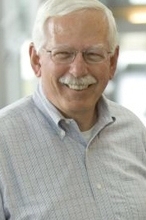
This award was established in 2006 to honor William M. Plater, Chief Academic Officer of IUPUI from 1987-2006.
During his term, Bill Plater oversaw the development of civic engagement as an integral part of the campus mission and as a defining characteristic of its graduates, thus helping Indiana University Purdue University Indianapolis (IUPUI) win recognition among peers as a national leader. Through his writing, speaking and public advocacy, Plater also helped extend universities’ understanding of their collective responsibility as “Stewards of Place,” while connecting them with the larger regional, national and global communities of which they are also a part.
The John Saltmarsh Award for Emerging Leaders in Civic Engagement
Awarded to exemplary early-career leaders who advance the wider civic engagement movement in higher education via community-campus collaboration to build a broader public culture of democracy committed to equal opportunity for all.
2024 Award Winner
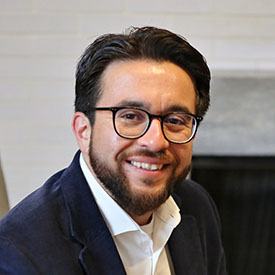
Jonathan Gomez
Assistant Professor, Department of Chicana and Chicano Studies
San Jose State University (CA)
- Be faculty or staff members at an AASCU institution.
- Demonstrate their community partnership work is grounded in reciprocity, mutual respect, shared authority, and co-creation of goals and outcomes.
- Exhibit contributions to sustain and advance the civic engagement movement in the areas of practice, institutionalization, and scholarship.
- Nominees must be an emerging higher education leader whose community partnership work is grounded in reciprocity, mutual respect, shared authority, and co-creation of goals and outcomes on an AASCU campus.
- Nominations must include an endorsement from campus leadership, the nominee’s curriculum vita, and additional documents that provide examples of the nominee’s contributions in the areas of practice, institutionalization, and scholarship.
- Presentation at the American Democracy Project Summit in July.
- Recipients will receive a commemorative to acknowledge the national recognition.
- 2024: Johnathan Gomez, San Jose State University
- 2023: Lesley Graybeal, University of Central Arkansas
- 2022: Bekah Selby, Emporia State University (KS)
- 2021: Margot Morgan, Indiana University Southeast
- 2019: Allison Rank, State University of New York at Oswego
- 2018: Nicholas Hartlep, Metropolitan State University in Minnesota
- 2017: Danielle Lake, Assistant Professor of Liberal Studies, Grand Valley State University (MI)
- 2016: Jennifer Purcell, Assistant Professor of Leadership Studies, Kennesaw State University (GA)
- 2015: Adam Bush, Chief Academic Officer, College Unbound
- 2015: Lane Graves Perry, Director of Service Learning, Western Carolina University (NC)
- 2014: Bethany Fleck, Assistant Professor of Psychology, Metropolitan State University of Denver (CO)
- 2013: Brandon Kliewer, Assistant Professor of Civic Engagement and ADP Campus Director, Florida Gulf Coast University
- 2012: Emily Janke, Special Assistant for Community Engagement, University of North Carolina at Greensboro
- 2012: Paul Markham, Assistant Professor and Co-Director at the Institute for Citizenship and Social Responsibility, Western Kentucky University
- 2011: Cecilia M. Orphan, National Manager, American Democracy Project
About the award
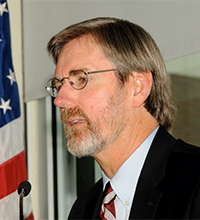
This award was established in 2011 to honor John Saltmarsh, Professor of Higher Education at the University of Massachusetts, Boston.
John Saltmarsh is Professor of Higher Education in the Department of Leadership in Education in the College of Education and Human Development at the University of Massachusetts, Boston. He has published widely on community engaged teaching, learning and research, and organizational change in higher education, including the co-edited book Publicly Engaged Scholars: Next Generation Engagement and the Future of Higher Education (2016), and the edited volume with Matthew Hartley, ‘To Serve a Larger Purpose:’ Engagement for Democracy and the Transformation of Higher Education (2011). He is the co-author of the “Democratic Engagement White Paper” (NERCHE, 2009) and “Full Participation” (Columbia University Law School: Center for Institutional and Social Change, 2011). From 2005-2016 he served as the Director of the New England Resource Center for Higher Education (NERCHE). From 1998-2005 he was the director of the national program on Integrating Service with Academic Study at Campus Compact.
The award was named in John Saltmarsh’s honor to recognize a long-standing passion of his: nurturing and preparing the next generation of higher education leaders (staff, faculty, or administrators) to sustain and advance the civic engagement movement. The award recognizes emerging higher education leaders whose community partnership work is grounded in reciprocity, mutual respect, shared authority, and co-creation of goals and outcomes.
The Spirit of Democracy Award
Established in 2022, this award is given in recognition of exemplary leadership from staff (non-faculty, non-senior administrator) in advancing the civic learning and engagement of undergraduate students.
2025 Award Winner

Kimberly Schmidl-Gagne
Officer of Assessment & Accreditation
Keene State College (NH)
- Nominees must be a staff member (defined as non-faculty, non-senior administrator), affiliated for more than five years on an AASCU campus, who demonstrates leadership in advancing the civic learning and engagement of undergraduate students.
- Nominations must include an endorsement from campus leadership, the nominee’s curriculum vita, and additional documents that provide examples of the nominee’s sustained leadership in advancing civic learning and ensuring students have equal opportunities for success.
- Presentation at the American Democracy Project Summit in July.
- Recipients will receive a commemorative to acknowledge the national recognition.
- 2025: Kimberly Schmidl-Gagne, Keene State College (NH)
- 2024: Sara Heim, Salisbury University (MD)
- 2023: Sandy Jacobs, University of North Carolina at Pembroke
- 2022: Romy Hübler, University of Maryland, Baltimore County
Questions about the Civic Engagement Awards? Let us know.
"*" indicates required fields
Japan Studies Institute
The Japan Studies Institute (JSI) is a unique multidisciplinary professional development program designed to help faculty and administrators integrate Japanese studies into their institutions.
Contact us.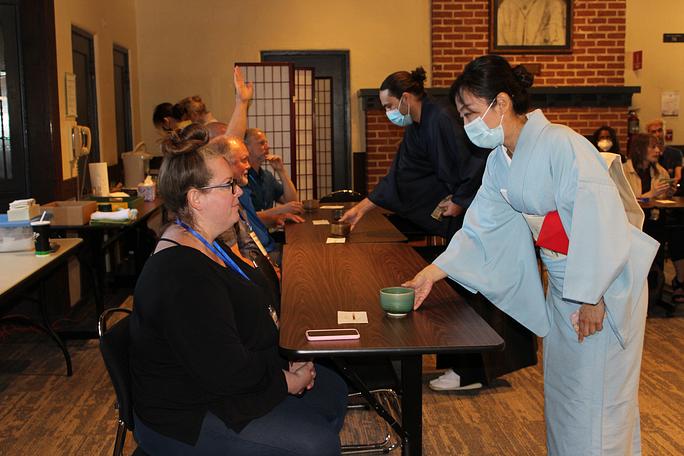
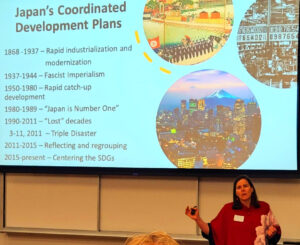
Transform your campus with Japan studies expertise.
JSI offers a unique environment for educators and administrators to deepen global studies capacity, intercultural learning and enhance your campus internationalization efforts. The program equips participants with the tools and knowledge to incorporate Japanese studies into the undergraduate curricula and co-curricular activities.
JSI is ideal for faculty and staff with little or no prior experience in Japanese studies. Through immersive learning and collaboration, participants gain practical insights into Japan’s history, culture, and modern society. By participating in JSI, individuals will acquire the expertise and resources needed to inspire student learning about Japan and global awareness in any academic discipline.
Who should participate?
- Faculty interested in expanding global and area studies in their teaching
- Administrators and staff seeking to support intercultural learning or international programs on campus
How will you benefit?
- Collaborative Learning: Engage in peer-to-peer learning with a diverse group of colleagues from across AASCU institutions.
- Specialized Resources: Access curated content, including Japanese studies materials tailored to help integrate Japan studies into your curriculum.
- Curriculum Development: Receive mentorship and support in developing courses, modules, or campus initiatives focused on Japanese studies.
- Networking: Connect with JSI alumni, Japanese scholars, industry experts, and diplomats to broaden your professional network and enhance your campus’ global connections.
What to Expect
Immersive residential experience.
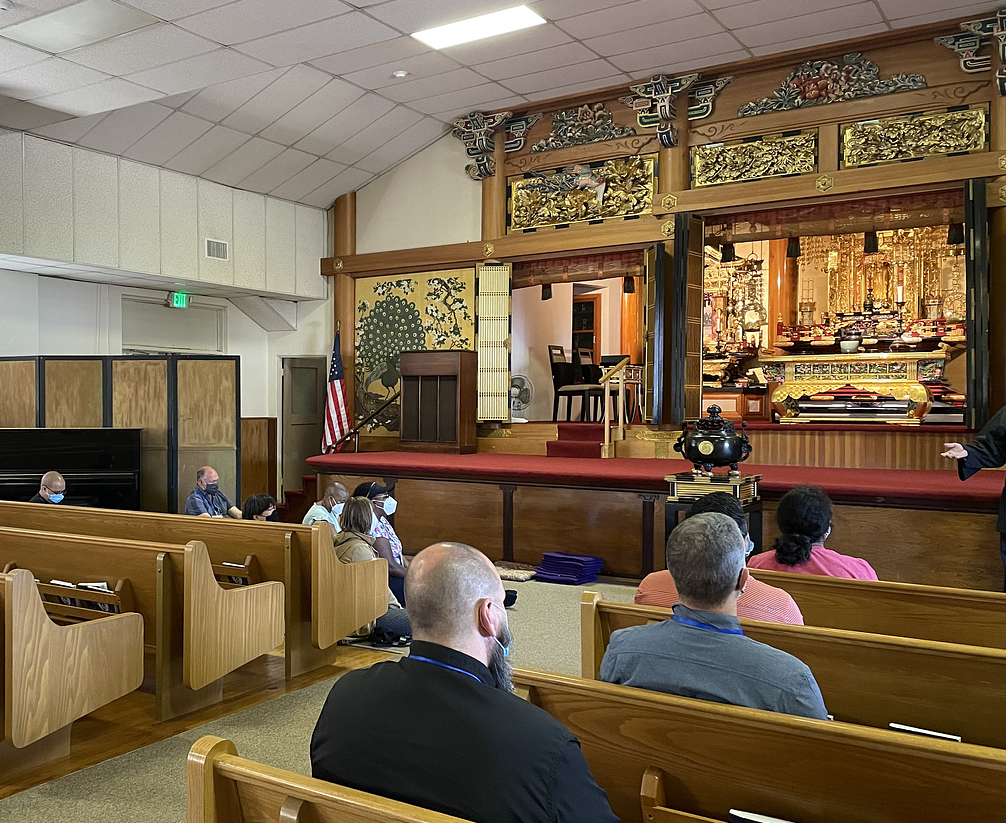
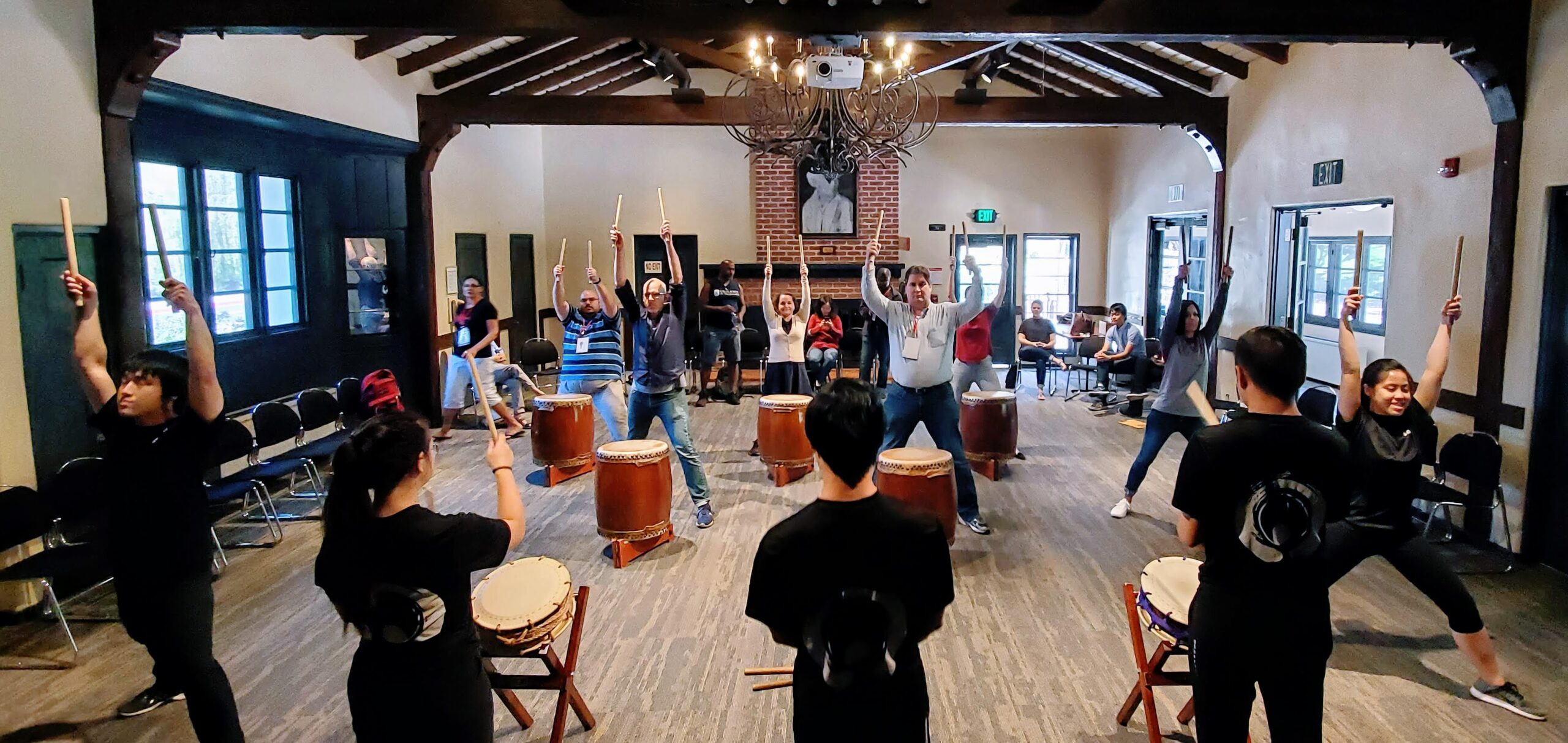
Participants live and work together over two weeks at San Diego State University, fostering a vibrant residential community focused on collaborative learning. This intensive, hands-on format encourages a supportive exchange of ideas and builds lasting professional connections.
Interdisciplinary approach to Japanese studies.
Engage with Japanese culture, history, business, and social issues through seminars, lectures, and cultural activities. Participants gain a holistic understanding of Japan’s evolving role in global affairs, modern societal shifts, and cultural traditions, equipping them to incorporate these insights into diverse academic disciplines.
Integrated cultural and professional development.
Beyond structured sessions, the program includes off-campus excursions, evening gatherings, and cultural experiences that offer an immersive perspective on Japanese culture.
- Applications Open: Mid-November
- Applications Close: February 28
- Applicants Notified: End of March
- Institute Materials Provided: May 1, 2025 (includes handbook and other resources)
- Institute Start Date: June 2, 2025, in San Diego
- Institute End Date and Departure: June 15, 2025, from San Diego
To qualify for this program, applicants must meet the following requirements:
- Must be staff members capable of influencing undergraduate education, whether through teaching or providing academic support services relevant to undergraduate studies.
- Must have no prior formal training or professional experience in Japan studies.
- Should be able to demonstrate a genuine interest in learning more about Japan.
- Must be nominated/endorsed by a provost, vice president, dean, or department chair. The nomination can be made either directly or at the applicant’s request.
Documents listed below must be submitted by the February 28, 2025 deadline. The application package should include:
- A current, comprehensive CV or resume.
- A one-page letter/endorsement from a provost, vice president, dean, or department chair who is familiar with the applicant’s academic achievements and career trajectory.
- A typed, single-spaced, one-page statement outlining the potential benefits of the award to the applicant’s teaching and professional development, as well as to their institution and community. This statement should address:
- The applicant’s interest in expanding their knowledge of Japan.
- Plans for leveraging this experience to enhance undergraduate education at their institution.
- AASCU member institutions – Participation in this Institute is complimentary for AASCU members. Costs associated with program administration, academic material, and residence life are underwritten by a generous endowment from the Nippon Foundation.
- Non-AASCU member institutions – $895
Participants in the program are responsible for ancillary expenses related to travel to and from the program site, and all other personal and miscellaneous items.
Is my institution as AASCU member?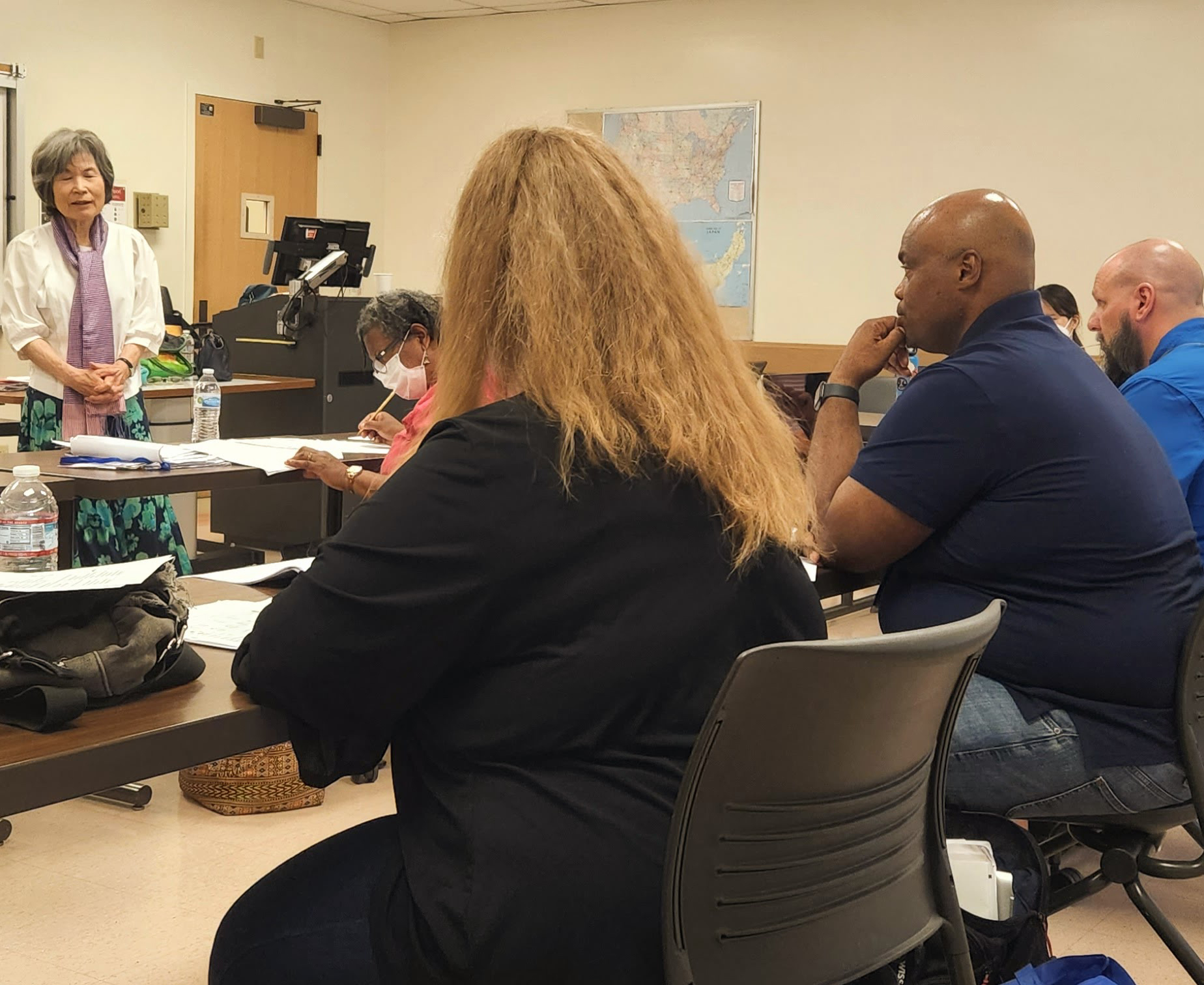
impact
28
Number of years AASCU has provided this professional development opportunity for its members.
200+
Number of Institutions that have participated in the Institute from across the US, the Bahamas and Canada.
500
Number of faculty and administrators that have been trained by the Institute.
“The most memorable experience of JSI for me was the overall opportunity to participate in this program with faculty from different disciplines, from different universities, from different parts of the country, and even different parts of the world. The biggest impact the JSI program has had on me professionally is how it has better equipped me go back to the classroom and give my students cultural learning experiences.”

“The program is an excellent introduction to educators who do not have a background in Japan but are interested in learning more about the country and incorporating Japan studies in their classes. The multidisciplinary nature of the fellows’ backgrounds helped make the various sessions very informative. Overall, I have nothing bad to say about this institute. It’s a 10/10 program and one of the most valuable professional development program I have attended in my career.”
2025 Fellows

Steve
Geinitz
Associate Professor
Metropolitan State University of Denver

Vicki
Gruzynski
Teaching and Learning Librarian
Worcester State University

Kishan
Munroe
Chair, School of Communication & Creative Arts
University of The Bahamas
Al M.
Panu
Chancellor
University of South Carolina Beaufort

Antoinette P.
Pinder-Darling
Associate Professor/Librarian III
University of The Bahamas
David
Rhea
Founding Dean, GovState Honors College
Governors State University (IL)

Teniel
Rolle
Programme Coordinator
University of The Bahamas

Olga
Sideleva
Biology Lecturer
University of Hawai’i at Hilo

Joseph P.
Whatford
Lecturer
California State University, San Bernardino

Bess
Wong
Professor
Kwantlen Polytechnic University

Barbara
Zuck
Professor of Business
Montana State University – Northern
Applications for our 2025 JSI cohort closed.
Application Requirements
- A current, comprehensive CV or resume
- A statement outlining the potential benefits of the award to the applicant’s teaching and professional development, as well as to their institution and community
- An endorsement from a provost, vice president, dean, or department chair who is familiar with the applicant’s academic achievements and career trajectory
Important Dates
- Applications and endorsements are due Feb. 28, 2025
- The 2025 institute will take place June 2-15, 2025 in San Diego, CA
Our Partners


Interested in participating in JSI? Let us know.
"*" indicates required fields
Stewardship of Public Lands
This program, held in Glacier National Park, provides interdisciplinary experiential learning and professional development for faculty, staff, and administrators by exploring issues connected to public lands. It leads to strategic intentionality in prioritizing environmental sustainability and constructive discourse on campuses.
Contact us.
Explore issues of civic engagement and public lands.
Since its launch in 2004 at Yellowstone National Park, AASCU’s American Democracy Project’s Stewardship of Public Lands (SOPL) program has introduced AASCU faculty, staff, and administrators to the complexities of public land management and its connections to democracy, sustainability, and civic engagement. After a COVID-era pause, the program relaunched in 2024 at Glacier National Park, where it is held annually. We are currently accepting applications for the 2026 program which will take place June 15–19, 2026. Participants will leave with stronger civic and environmental leadership skills to apply in teaching, research, and campus programming.
Who should participate?
- Administrators, faculty, and staff who want to explore how stewardship of shared resources connects to civic responsibility and the mission of public universities
How you’ll benefit.
- Develop strategies for integrating sustainability into campus and community
- Plan for experiential student trips to national parks or other public lands
- Explore regional collaborations with cohort members
- Share resources and teaching strategies that help navigate tensions within and about public lands
- Incorporate the United Nations’ Sustainable Development Goals into a broad campus strategy
The Glacier National Park 2026 Program
How does a democracy manage competing but often equally legitimate positions over public resources?
How are the rights of all citizens represented in conflicts over public lands?
The answers to these questions are not straightforward, as public lands reflect deeply held values about access, voice, and preservation that reveal the challenges and opportunities of democratic governance.
Participants will engage in interdisciplinary experiential learning during this professional development opportunity and will create a community of practitioners and collaborators. They will contribute to a compendium of their discoveries, including, but not limited to, ideas for advancing your campus sustainability and stewardship goals, supporting your own universities in sustainably managing campus public lands, and enhancing curricular and programming opportunities for students to become active stewards of place.

- February−May 2026: The cohort engagement begins virtually, building community and deepening knowledge of stewardship efforts and strategies.
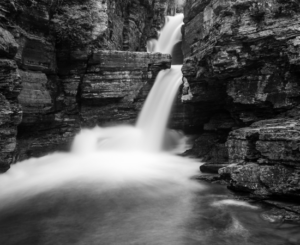
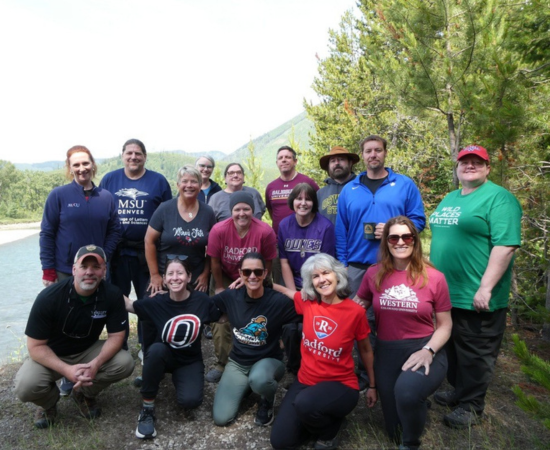
- June 15-19, 2026: The group will meet in Glacier National Park for a five-day/four-night field experience where we will study how rangers, Indigenous communities, scientists, and community members are engaging in productive and inclusive public land management and education.
- July−December 2026: The cohort will put into practice the lessons they’ve learned and collaborate on a compendium of their discoveries, while continuing to meet virtually.
- Dates: Monday, June 15, 2026 through Friday, June 19, 2026 (optional early arrival June 14 for a small additional fee, paid to Glacier Institute)
- Cost: $1950 per person. This includes all lodging, meals, and transportation to and from the Glacier Park International Airport and within the park.
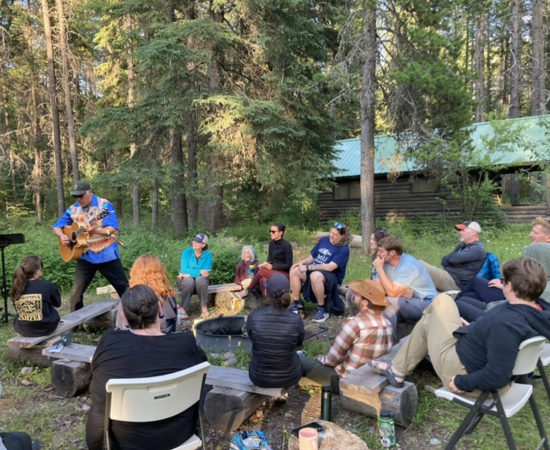
- Lodging: The Glacier Institute’s Field Camp is located inside Glacier National Park’s West Entrance. Field Camp consists of five rustic cabins with twin size beds that can house up to five guests each, however we limit the cohort to no more than 4 people per cabin. There is a separate community bathhouse that has private bathrooms with hot showers. There is also a community house with a fridge to store personal snacks and a fire pit for sharing stories.
- Alternative Lodging: If a shared cabin does not meet your needs, you may arrange alternate lodging at your own expense, and you will be responsible for getting to and from Field Camp each day. If you pursue this option, the full program fee still applies.
- Meals: All meals and snacks will be provided during the stay at Field Camp, and dietary modifications will be honored.
- Transportation: Participants are responsible for their own transportation to/from the Glacier Park International Airport (Kalispell, MT). The Glacier Institute will provide scheduled shuttle trips to and from the airport and their Field Camp during business hours. In-park transportation will be provided during the seminar. If you choose to drive to Glacier, we will arrange parking by the Glacier Field Camp.
Participants are required to join the full in-person field experience in Glacier National Park (June 15–19, 2026), virtual meetings before and after the trip, and produce a final deliverable that demonstrates how lessons from the program are applied on campus or in the community (e.g., syllabi, experiential learning plans, resource guides, scholarly article). The application is where participants begin outlining their proposed deliverable and confirming their commitment to the program.
Applications are open to all faculty, staff, and administrators from AASCU campuses and will be reviewed by program staff beginning December 1, 2025. Reviews continue until the 18-member cohort is full or until the final deadline of January 26, 2026—whichever comes first. Because space is limited, we encourage applicants to apply early. A spot in the program is confirmed only after payment is received.
AASCU will fully refund your payment if you provide Ellen Knutson a written refund request by January 16, 2026. After that date, refunds will not be issued.
Impact
80+
institutions integrated information about public lands or public resources onto their campuses.
200+
participants developed resources to share their work with students.
20+
years of participants creating their own unique programs to explore national parks with undergraduates.
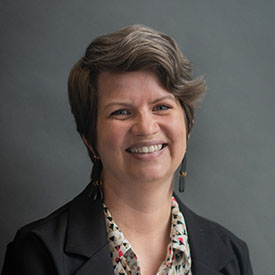
“Overall, I have taken away from the Stewardship of Public Lands cohort two key lessons: (1) the importance of humility about our place within the historical and cultural context of a place as well as within the natural world, and (2) the ability to embrace the complexity of the places and spaces in which we do community engagement, and to tread with care, curiosity, respect, and solidarity within these spaces.”

“As a scholar of Native American and western water history, the AASCU Stewardship of Public Lands Project at Glacier offered a significant opportunity for me to grow in my practice and inquiry. The program helped reinforce and grow my notions that there is a chasm between the Western American view of nature and an indigenous perspective, which holds humans as deeply embedded in the natural order of park lands.”
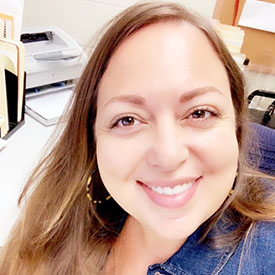
“Attending the Stewardship of Public Lands conference at Glacier National Park was a deeply meaningful experience. It broadened my understanding of the complexities of land stewardship and reinforced my belief that we must look to Indigenous knowledge and practices to truly care for the land. As a Kia’i (guardian, caretaker, or protector) of the land in Hawaiʻi, I am more committed than ever to integrating these perspectives into our efforts, and I leave this experience with a renewed sense of purpose in my role as a protector of our natural world.”
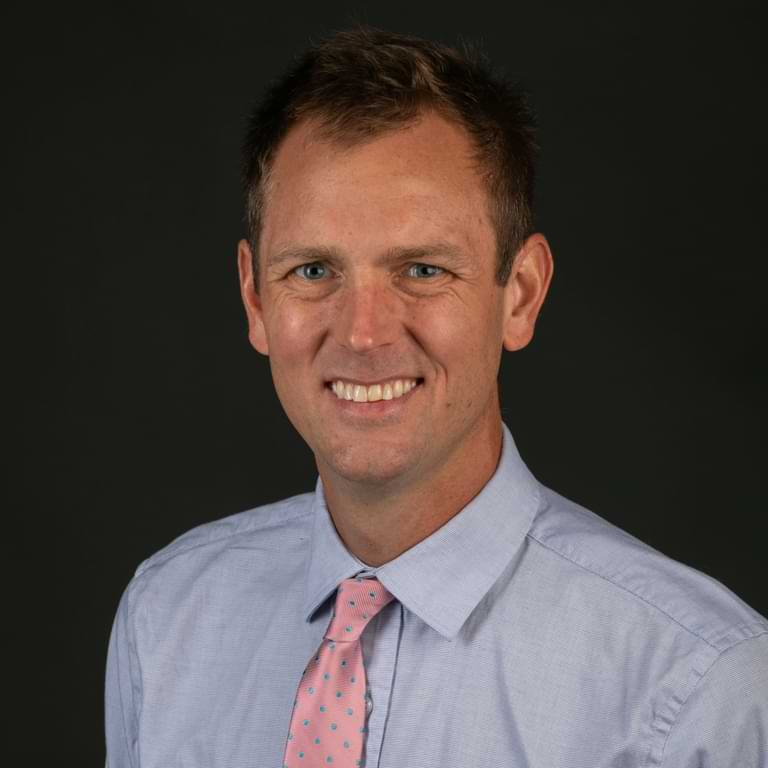
“Experiencing this firsthand was a game changer for me because it illustrated so powerfully how intertwined all these natural systems are—and how intertwined and interconnected we all are, too.”
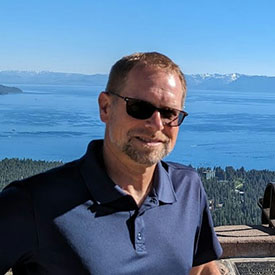
“The SOPL workshop was critical in my understanding of considering competing goals, priorities, and methods. It also made me more acutely aware of cultural and economic realities of mixed use properties and facilities, where consensus building must happen BEFORE development can occur.”
2025 cohort

Harald
Barkhoff
Vice Chancellor for Academic Affairs
University of Hawaii at West Oahu

Jodi
Benenson
Associate Professor
University of Nebraska at Omaha
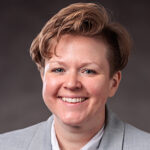
Aysha
Bodenhamer
Sustainability Manager
Radford University (VA)

Christy
Bradburn
Adjunct Faculty
James Madison University (VA)

Joan
Brehm
Department Chair/Professor; Co-Director of the Center for a Sustainable Water Future
Illinois State University

Jarrod
Hagadorn
Professor, Cinema and Screen Studies
State University of New York at Oswego

Christopher
Jennings
Professor/Department Chair
Metropolitan State University of Denver

Julie
Lester
Associate Professor of Political Science and MPA Program Coordinator
Valdosta State University (GA)

Pam
Martin
Professor and Exec Director, RISE Center, a UN Regional Centre on Education for Sustainable Development
Coastal Carolina University (SC)
Shaun
Mooney
Executive Director First Gen Student Success
James Madison University (VA)

Cayle
Moreo
Sustainability Director
Indiana State University

Erin
O’Hanlon
Coordinator of Service-Learning
Stockton University (NJ)
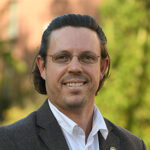
Sandy
Pope
Associate Professor, Education; Director, Institute for Public Affairs and Civic Engagement
Salisbury University (MD)

Christine
Small
Professor of Biology and Associate Dean of Artis College of Science and Technology
Radford University (VA)

Brooke
Zanetell
Assistant Professor
Western Colorado University
Program resources
The 2024 SOPL compendium highlights how this cohort’s work is being implemented on AASCU’s ADP campuses through course plans, syllabi, engagement plans, research, and reflections.
See how the 2024 cohort's work is being implemented.Released in 2010, this monograph details the work of the AASCU institutions as they explore the various issues surrounding the controversies over public lands.
Read the full report.A faculty member’s story of how she implemented lessons learned from the initiative.
Read more.Member Spotlight
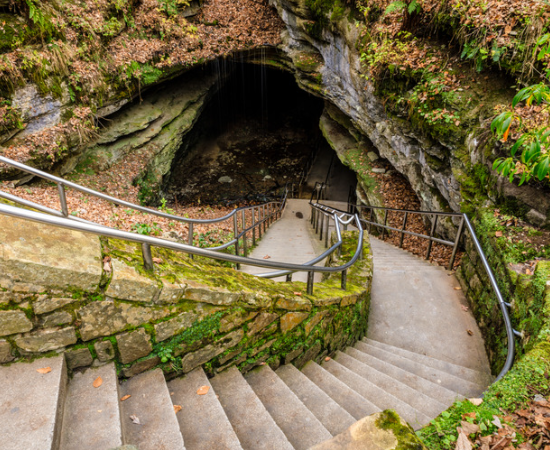
Mammoth to Mammoth documentary
Three faculty members at Western Kentucky University created this film while they participated in the American Democracy Project’s Stewardship of Public Lands Seminar, a one-week professional development course in Yellowstone National Park. As they studied the history, science and politics of some of the major controversies in the Yellowstone ecosystem (snowmobiling, grizzly bears, and bison), they developed a team-taught course to deploy at their local national park, Mammoth Cave.
Watch video.Questions about the Stewardship of Public Lands? Let us know.
"*" indicates required fields
Enacting the Vision: Institutionalizing Civic and Community Engagement on Campus
A cohort of senior campus leaders committed to operationalizing and sustaining civic and community engagement across their institutions.
This cohort focuses on leaders enacting strategic and intentional planning about community engagement on campuses.
Since 2020, ADP and Collaboratory have invited AASCU members to join cohorts and participate in meetings to connect with others to form a community of practice; in 2020 and 2021, those cohorts focused on strategies for data collection. For the 2022-2023 academic year, the program focuses on bringing small teams from each campus together to organize and collaborate on implementing an institutional vision for community engagement. As an added benefit, all teams can connect to other institutional teams to share best practices, refine their strategies, and have professional development opportunities.
Who is participating?
- ADP member campuses
- Campus leaders looking to operationalize civic and community engagement across their institutions and who are actively working to identify the most sustainable path forward to support this work
- Senior leaders committed to prioritizing community engagement as a foundational aspect of their institutional mission, strategy, and infrastructure
Benefits of this program
- Define community engagement, sharing effective strategies and approaches
- Ensure institutions create more responsive relationships with community partners
- Build infrastructure to support and sustain deep, pervasive, and integrated partnerships
- Use data to deepen work with community partners and identify the most effective partnerships and models to address pressing issues in the community
- Better tell the institutional story of engagement qualitatively and quantitatively
Cohort membership
impact
Key data captured in Collaboratory from the 2021-2022 cohort
2,681
published activities
3,300
community partners
894
course sections
57,586
involved students
8.1 M+
hours contributed by those students
$844 M+
total funding for engagement and service
Key data captured in Collaboratory from the 2020-2021 cohort
2,324
published activities
2,834
community partners
637
course sections
74,903
involved students
10.3 M+
hours contributed by those students
$1.7 B+
total funding for engagement and service
Institutional civic engagement activity examples
Several years of assessments indicate that the Town Hall Meeting improves students learning of course content, changes students’ self-perception from an identification with high school notions of schooling as too often boring and meaningless to a college appropriate identification of schooling as relevant and part of students’ development as adult participants in a democracy, improves students’ civic participation, and increases students’ self-esteem.
Explore more on the institution's Collaboratory site.By considering the city’s rich history in civil rights and economic justice, as well as the even more powerful desire for civility that has impacted our ability to have deep, community-wide discussion of the area’s struggles, this program explores the different traditions of participation that drive public policy, governance, and citizen engagement.
Explore more on the institution's Collaboratory site.Students in the Gender Institute for Teaching Advocacy program work to compile a digital library including information related to various organizations throughout the state.
Explore more on the institution's Collaboratory site.Professional practice internship on voter registration, marketing, and increasing voter turnout among youth voters.
Explore more on the institution's Collaboratory site.our stories
“How we’ve approached documenting institutional engagement via Collaboratory has actually shaped my current role and responsibilities. Up until [recently] this role didn’t exist on campus, and I like to think that the effort around Collaboratory was actually driving the creation of my role and its placement within the Office of President. It is ultimately an acknowledgment that community partnerships are a campus-wide priority.”
“In addition to capturing engagement data for accreditation, we have also been using Collaboratory when talking to alumni and advancement about donors and how beneficial it would be to show our donors about what engagement our colleges are doing. Additionally, for faculty, they are now leveraging digital dossiers and Collaboratory is an excellent way to link to their community engagement into their digital dossier; it gives so much more color, description, and complexity to their service work.”
“Ten years ago we were surveying our faculty and hoping that people would respond. Then, we had to chase them down for 6 months, all to write one report. Very soon, we had to start the whole process over again. At the time what we were collecting were numbers of students and numbers of hours. And, now with Collaboratory that whole narrative has changed for the faculty members. They now can connect their engagement activities to other pieces of their work, and our campus community engagement reporting that we now capture through Collaboratory.”
Cohort Webinar
Our Partner
Want to learn more about Enacting the Vision? Let us know.
"*" indicates required fields
Constructive Dialogue: Fostering Trust, Curiosity, and Deeper Learning in the Classroom
Resources and professional development equipping campus faculty to promote civil discourse and deliberative dialogue within their classrooms and across their campuses.
Providing campus faculty and staff with resources and professional development to foster civil discourse within their classrooms and throughout their campuses.
Participating faculty will use online resources, attend monthly online cohort meetings with faculty across the country, and present work at the Civic Learning and Democratic Engagement (CLDE) meeting in Boston in June 2023 where they demonstrate how to integrate constructive dialogues across the curriculum.
2022-2023 cohort member campuses
Participants use these resources to equip students with the mindsets and skillsets to have difficult conversations.
Research on constructive dialogue in the classroom.
How an online educational program can reduce polarization and improve dialogue in college classrooms.
Details the randomized study, summarizes the findings, and provides recommendations for fostering mutual understanding and constructive dialogue in the classroom and on campus more broadly.
Read report.Explores three techniques for communicating and collaborating across differences: moral reframing, separating goals from strategies, and integrative thinking.
Read reportNotes how Perspectives users experienced small- to medium-sized decreases in affective polarization, small to medium-sized increases in intellectual humility (understanding the limits of one’s knowledge) and increases in sense of belonging.
Read more.Provides insights not only into debate-based course design and learning improvement strategies but also into how faculty, students, and administrators can partner between institutions to demonstrate a shared commitment to the civic mission of higher education and democratic promise of our nation.
Read more.Our Partner

Want to learn more about Constructive Dialogue? Let us know.
"*" indicates required fields
Civic Solutions: Problem-Solving Through the Up to Us Case Competition
Equipping faculty and staff to support students’ fiscal thinking, advocacy experience, creative problem solving, and civic engagement experience through participation in the Up to Us Case Competition.

Innovative support to encourage innovative solutions.
AASCU provides participating faculty and staff with resources and learning tools that support students in their journey to develop fiscal thinking, advocacy experience, creative problem solving, and civic engagement skills.
How the case competititon worked.
Faculty and staff at AASCU institutions integrated the nationwide competition into their 2023 spring semester offerings. Teams of students nationwide responded to prompts addressing the rising national debt in the context of growing climate concerns, the affordability of higher education, or rising health care costs by proposing creative yet practical solutions that consider the often competing — yet critical — aspects of the policymaking process: equitable policy development, prudent fiscal management, and long-term political feasibility. More than 30 submissions from a variety of disciplines—including but not limited to marketing, anthropology, political science, economics, social psychology, and pharmacy—showcased how students were able to use their diverse perspectives to craft innovative, thoughtful, and bipartisan policy proposals.
Impact
523
students engaged across 19 campuses to produce policy proposals that addressed the U.S. national debt in the context of growing climate concerns, the affordability of higher education, and rising healthcare costs.
290
communications of proposals were sent to members of Congress.
Over 700
community members engaged in discussing the U.S. national debt through university forums and dialogues.
Participating Campuses
Competition Winner
University of Central Arkansas
Aligning Fiscal and Climate Policy
The team chose to address the rising national debt in the context of climate change. Specifically, the team tackled methane emissions from overused landfills and low recycling rates by implementing a landfill tax on businesses to increase federal revenues and incentivize more sustainable practices. Revenue from the tax would be used to fund infrastructure that relates to climate initiatives, including incineration plants and recycling centers. The revenues would also establish a Climate Innovation Fund that would help transition our society to more sustainable practices. A percentage of revenues from the tax would also be used to decrease the nation’s federal debt, which is currently more than $31 trillion. In addressing the national debt, the team aims to put the country in a better position to handle future crises and fund essential federal programs well into the future.
One-pager.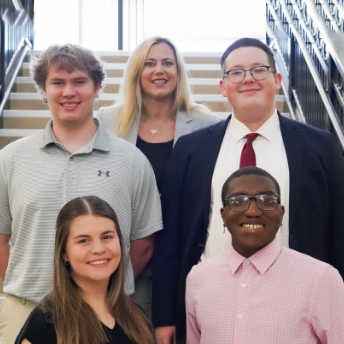
“I developed a larger passion for combining fiscal policy into other policy areas. My favorite memory was making friends with my group partners and developing long-lasting relationships. Our team was extremely passionate about fiscal policy and climate policy and found this opportunity uniquely helpful.”
Runners-up

- Emporia State University
- Emporia State University
- Emporia State University
- Georgia College & State University
- Georgia College & State University
- Georgia College & State University
- Georgia College & State University
- Gordon State College
- Gordon State College
- Gordon State College
- Gordon State College
- Northeastern Illinois University
- Northeastern Illinois University
- Northeastern Illinois University
- Northeastern Illinois University
- Radford University
- Radford University
- Radford University
- Radford University
- Radford University
- Slippery Rock University of Pennsylvania
- Slippery Rock University of Pennsylvania
- Slippery Rock University of Pennsylvania
- Slippery Rock University of Pennsylvania
- University of Central Arkansas
- University of Central Arkansas
- University of Central Arkansas
- University of Central Arkansas
- University of Central Arkansas
- University of Central Arkansas
- Weber State University
- Bethune Cookman University
- Wayne State University
- William & Mary
Our Partner

Questions about Civic Solutions? Let us know.
"*" indicates required fields
